

Emergence Code Fifteen: You are not the Wound - You are the Weaver
The recurring trigger of pain and loss is not your final identity. It is the raw thread you are meant to weave into wisdom, compassion, and strength.

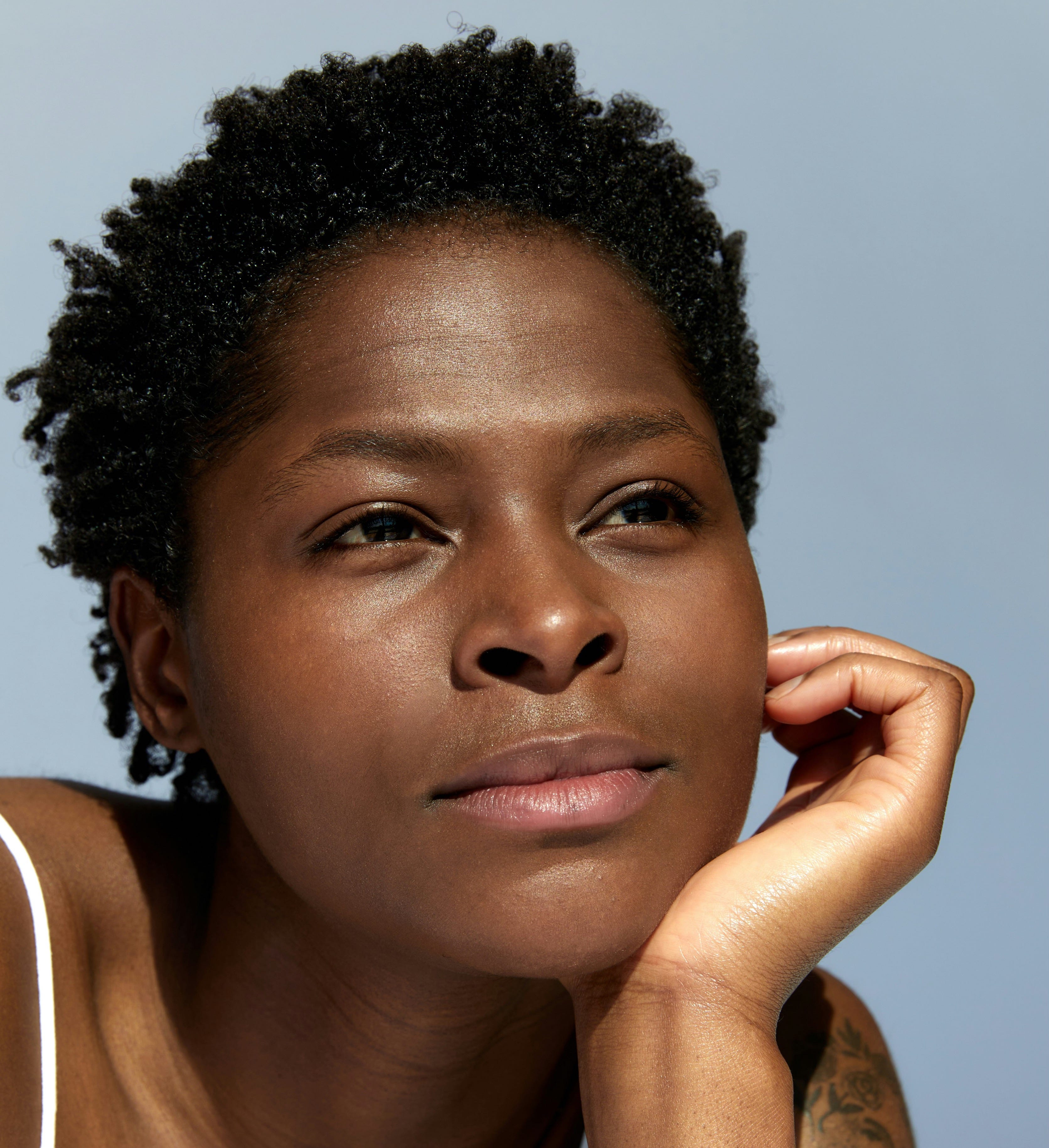
The Wound
We all know what it means to be wounded. Sometimes it happens early — a parent’s harsh words, neglect, or abandonment that tells a child: you are not enough, you are not safe, you are not lovable. Other times it arrives suddenly, like a lightning strike: a betrayal from someone you trusted, the shattering loss of a loved one, the cruelty of words spoken carelessly that cut into the deepest places.
The wound itself can take many forms, but the feeling is similar. It stings, burns, and lingers. It feels unjust, disorienting, personal. And most of all, it makes you shrink yourself.
When we are wounded, the natural first responses are raw and human: we protect, we retreat, we lash out, we hide, we numb. The nervous system does what it knows — it builds armor. That armor can look like perfectionism, people-pleasing, hyper-independence, sharp avoidances or constant vigilance.

How the Wound Becomes Identity
Over time, without noticing, the wound can become more than a memory — it becomes a way of seeing. The wound whispers a name and we start to answer to it:
Abandoned…Betrayed…Not enough…Too much…Broken
This is the subtle cruelty of unhealed pain: it convinces us that this is who I am. It becomes a form of conditioning, woven so tightly into the psyche that we no longer recognize it as separate from ourselves.
We start to build our lives around the wound. A child who learned love was conditional grows into an adult who overperforms to be accepted. Someone betrayed may sabotage closeness because trust feels dangerous. Another who heard “you’re too sensitive” may silence her intuition for decades.
The wound becomes a lens — filtering every opportunity, every relationship, every risk. Instead of living from possibility, we live from protection.
The Cost of Staying in Wound Mode
To stay identified with the wound is to live in a smaller life than the one meant for you. The cost is invisible, but enormous:

Lost opportunities for intimacy — because vulnerability feels unsafe.
Lost opportunities for creativity — because the inner critic keeps insisting you’re not ready.
Lost opportunities for courage — because risk feels like repeating old harm.
Lost opportunities for joy — because joy requires openness, and openness feels dangerous.
A wound left untended calcifies. It becomes not only pain remembered, but life unlived.
How to Know You’re Living From the Wound
Sometimes we are so accustomed to carrying our pain that we can’t tell it apart from who we are. Here are some signs you may still be at the effect of your woundedness:
You tell the same story again and again. The betrayal, the loss, the injustice — it replays on a loop, as if speaking it constantly will one day rewrite it.
You feel overly reactive. Small triggers unleash big emotions: rage, despair, defensiveness, withdrawal. The present feels larger than it should because it’s echoing the past.
Your self-image is diminished. You quietly identify as the abandoned one, the rejected one, the not-enough one. Even successes feel temporary or undeserved.
Your choices are shaped by fear. You avoid risks, closeness, or visibility because they carry the possibility of being hurt again.

Relationships follow the same patterns. You attract partners, bosses, or friends who repeat the dynamics of the original wound.
Joy feels unsafe. When things go well, you wait for the other shoe to drop. You don’t fully let yourself inhabit happiness because it feels fragile.

Outcomes That Signal Wound-Mode
If these patterns are active, they often lead to:
A career kept too small.
A heart held too closed.
A life that feels “flat,” with few risks, few joys and a muted sense of self.
A deep exhaustion from carrying armor everywhere you go.
Healthy relationships dulled or lost — because when the lens of woundedness will not shift, it becomes hard to engage from resilience and forward vision. Even love can feel out of reach.
These are not signs of your true identity — they are signals that your wound has been steering the ship. The gift is that once you recognize them, you can begin to choose differently.
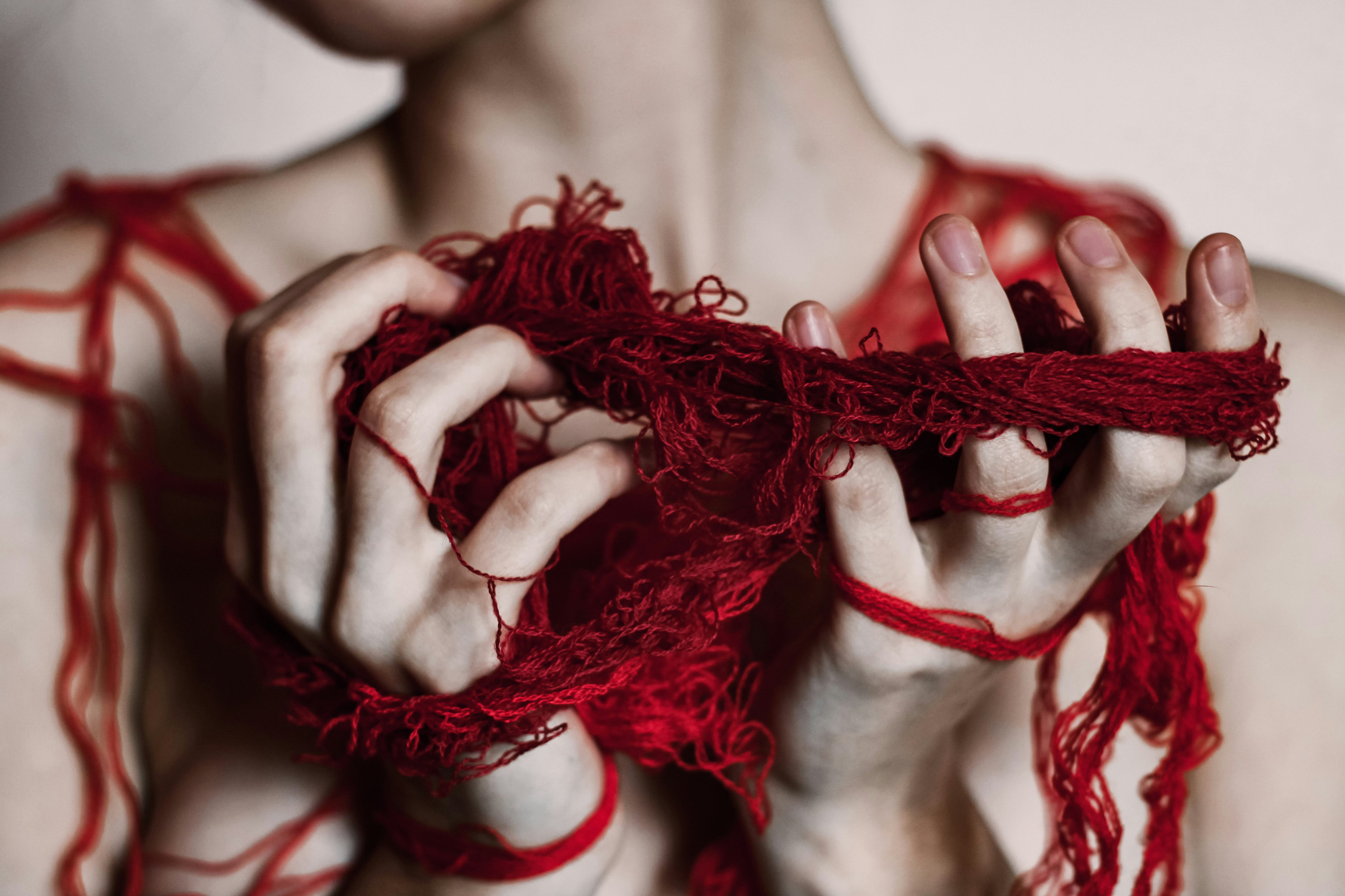
The Way of the Weaver
But here is the truth: the wound is not your identity. The wound is the raw thread. You are the weaver.
To weave is to tend, to transform, to create. It is not about erasing the pain or pretending it never happened. It is about refusing to let the wound have the final word.
Think of a heartbreak that eventually softened you into greater compassion for others. Or a time of loss that made you treasure what remains. Or a betrayal that sharpened your ability to see truth and honor your own worth. These are not denials of pain — they are transformations of it.
The Weaver within you says: This happened. It mattered. And still, I will not be named by it. I will make something more of it.
How Do We Weave?
Weaving begins by tending. You cannot weave with raw, bleeding threads. You must pause, acknowledge, and gently care for what hurts. Tending can look like rest, tears, prayer, therapy, honest conversation, or simply naming aloud what was once silenced.
Then, with time, the threads are ready to be worked.
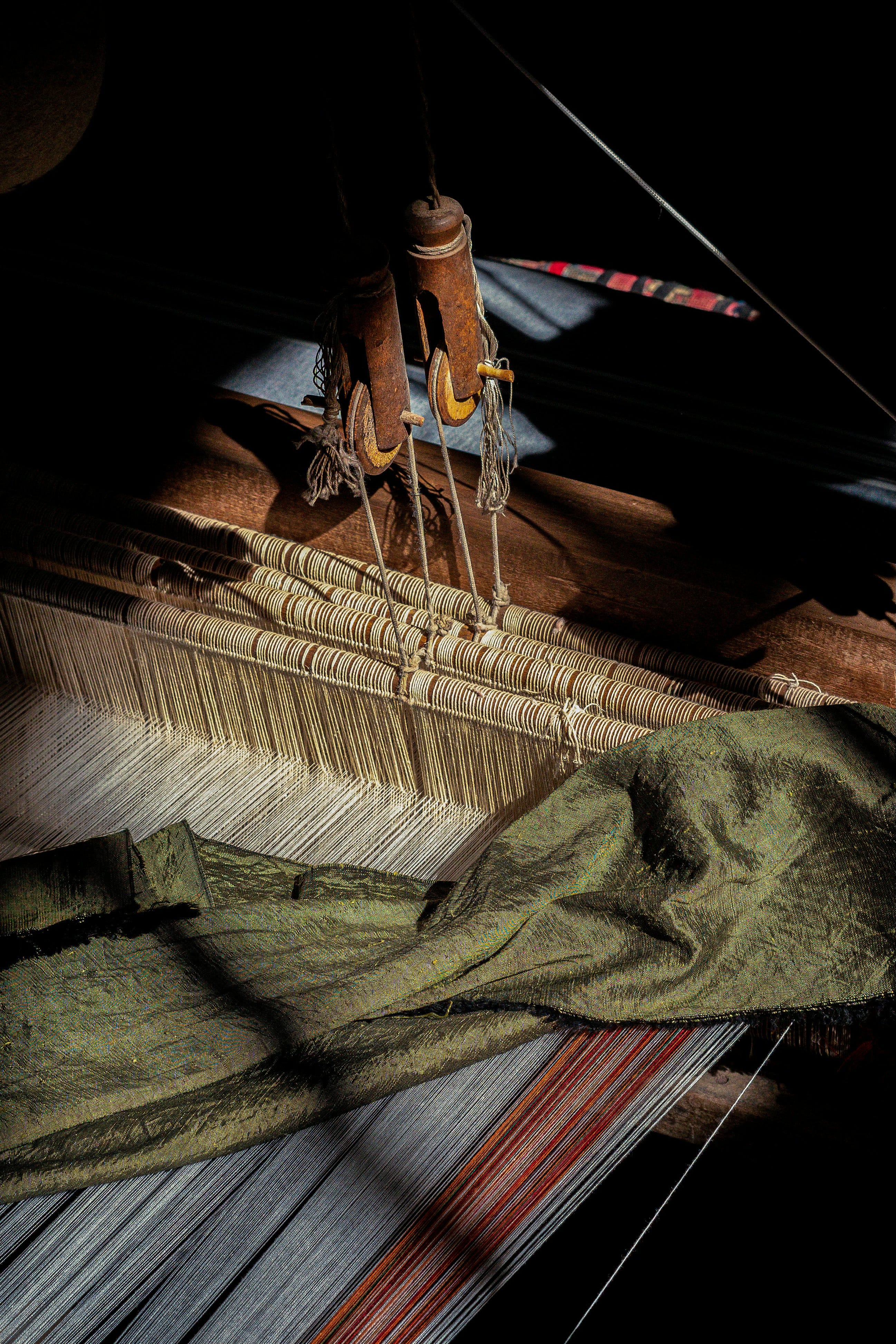
Awareness is the loom. You begin to see: This pain is part of me, but not the whole of me.
Choice is the shuttle. You decide: What do I want this wound to become in me? Compassion? Courage? Clarity?
Practice is the weaving. Each time you choose forgiveness over bitterness, openness over retreat, self-trust over self-doubt, you add a new stitch.
Slowly, what could have unraveled you becomes fabric — textured, resilient, often more beautiful than what was untouched. The scar doesn’t disappear, but it no longer dictates your story. It becomes part of the pattern.
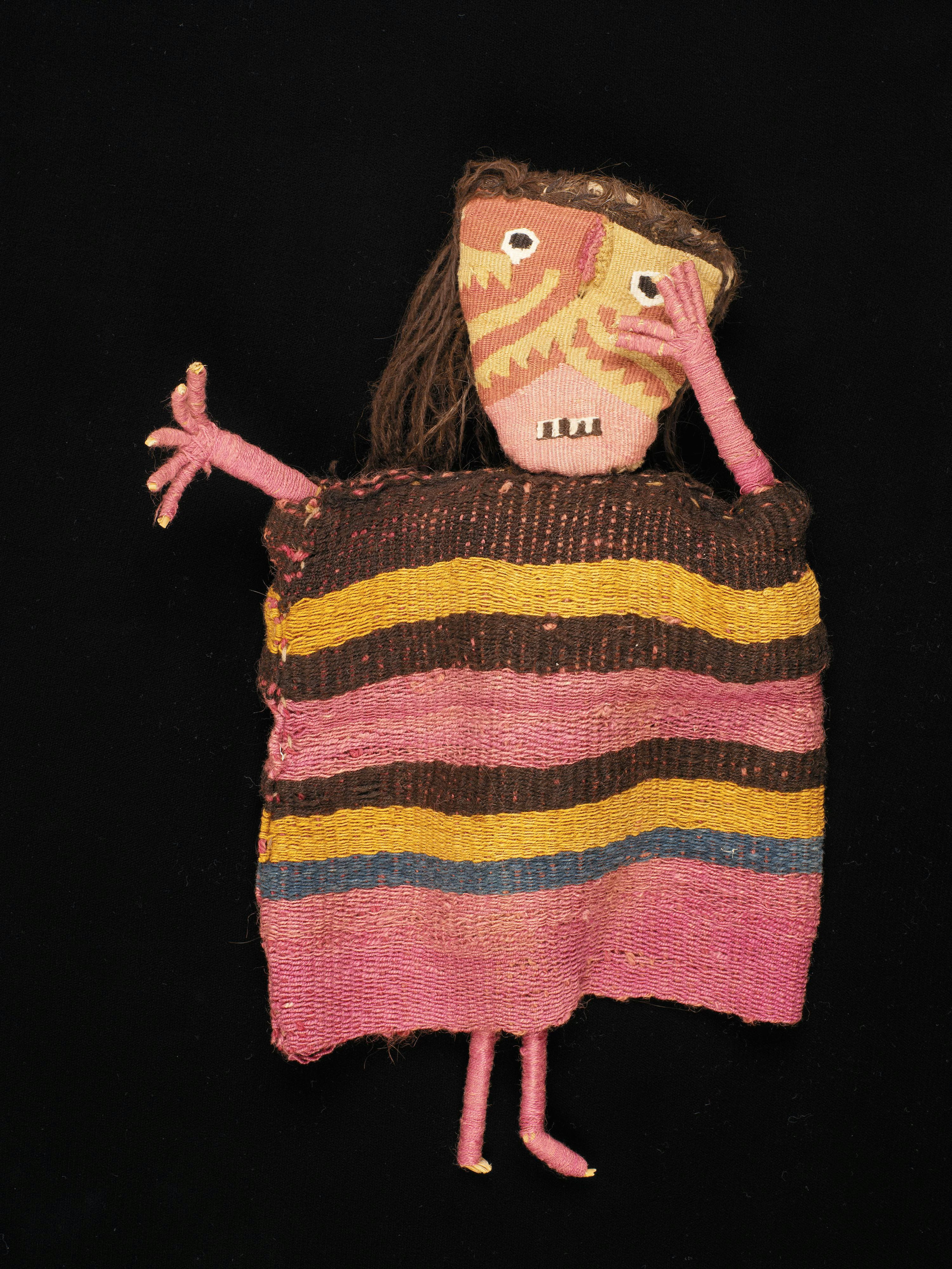
There also comes a point when the cost of carrying woundedness — including emotional anxiety and even physical ill health — becomes too heavy. A straw breaks the camel’s back and something in you says, no more. That is when weaving truly begins. You notice yourself speaking up where you once stayed silent. You pause before reacting. You say “yes” to an invitation where you used to give the automatic hard “no.” You meet another’s eyes instead of pulling away. Baby steps, but sure steps. Each one is a stitch in the new fabric.
A Story of Weaving
I have a friend whose mother was neglectful and narcissistic throughout her childhood, often pitting siblings against one another to create discord. She grew up never feeling she was enough or truly seen. As soon as she could, she left and separated from her family to escape the toxic patterns, moving far away to build a new, ambitious, and independent life. However, she found herself in a marriage which drained her being and diminished her self-esteem. She had a scary awakening and abruptly left. Years later, she encountered a man, quite unexpectedly, who immediately recognized her radiance and resiliency. Together, they co-created a healthy, decades-long marriage. After the death of her mother, she was able to harness her sibling relationships into a supportive and emotionally resilient tribe. While her fabric is still textured with loss, it has become a tapestry of strength, tenderness, and trust.
Reflection Questions
When have I mistaken a wound for my true identity?
How has this wound shaped the way I move in the world?
What opportunities might I be losing by continuing to live as if the wound is me?
What would weaving look like in this season of my life?
Affirmations
I am not the wound; I am the weaver of my life.
What once hurt me is now becoming wisdom in me.
I release the false names pain tried to give me.
Each small choice to love, trust, and open is a new stitch in my fabric.

Practices
Daily Pause: Each time you notice an old wound triggered, place your hand over your heart and say, This is thread, not my whole self.
Journaling Loom: Write down a painful memory and then write what you want it to become in you — courage, clarity, compassion.
Embodied Weaving: Practice one small new action each week — say yes to an invitation, meet someone’s eyes, or pause before reacting — and notice how it shifts your sense of self.
Bless the Fabric: Once a month, reflect on how far you’ve come. Name aloud one quality you have gained from tending your wound.
A Ritual for Weaving
Find a quiet space and sit with a piece of cloth, scarf, or thread in your hands. Close your eyes and bring to mind a wound you have carried. Feel its weight, its ache, its history. Whisper to yourself: This is thread, not my whole self.
As you breathe, imagine yourself placing that thread upon a luminous loom before you. With each inhale, feel the rawness soften. With each exhale, imagine weaving it into a greater fabric — a cloth that holds compassion, resilience, and beauty. See colors, patterns, or textures forming. When you are ready, lay the cloth or thread over your heart and affirm: I am not what hurt me. I am what I choose to weave from it.

Closing
You were never meant to be defined by what hurt you. You were meant to transform it. The wound is thread. You are the weaver. The fabric of your life — woven from pain, strength, tenderness, and resilience — will carry a beauty that no unbroken life could ever know.
We Weave Together….
Love, Angelique
Learn more about this weekly series: The Emergence Codes
*Photos by Unsplash