

The Awkward Adventure of Becoming Visible
Radiance Code 9: I trust the practice of becoming even when it feels awkward and uncomfortable.


This post is written to me — and for you — from the part of me that speaks from the voice of Love. It is what I need to hear for myself, and if you are facing a new chapter, it may be what you need to hear too.
I am self-publishing and launching a book shortly, and it marks the opening of a new life chapter. It is a book that first called to me more than twenty years ago, and it is finally being birthed. Launching a book is a kind of taking a stand — on a world stage. It is an invitation to be joined in exploring inner territory together. It is both intimate and public.
To step into a new identity as a book author now means that I share this work and guide it toward others with the intention to be helpful and illuminating. It means becoming more visible and more audible in a wider world — seen and heard in ways I have often shied away from.
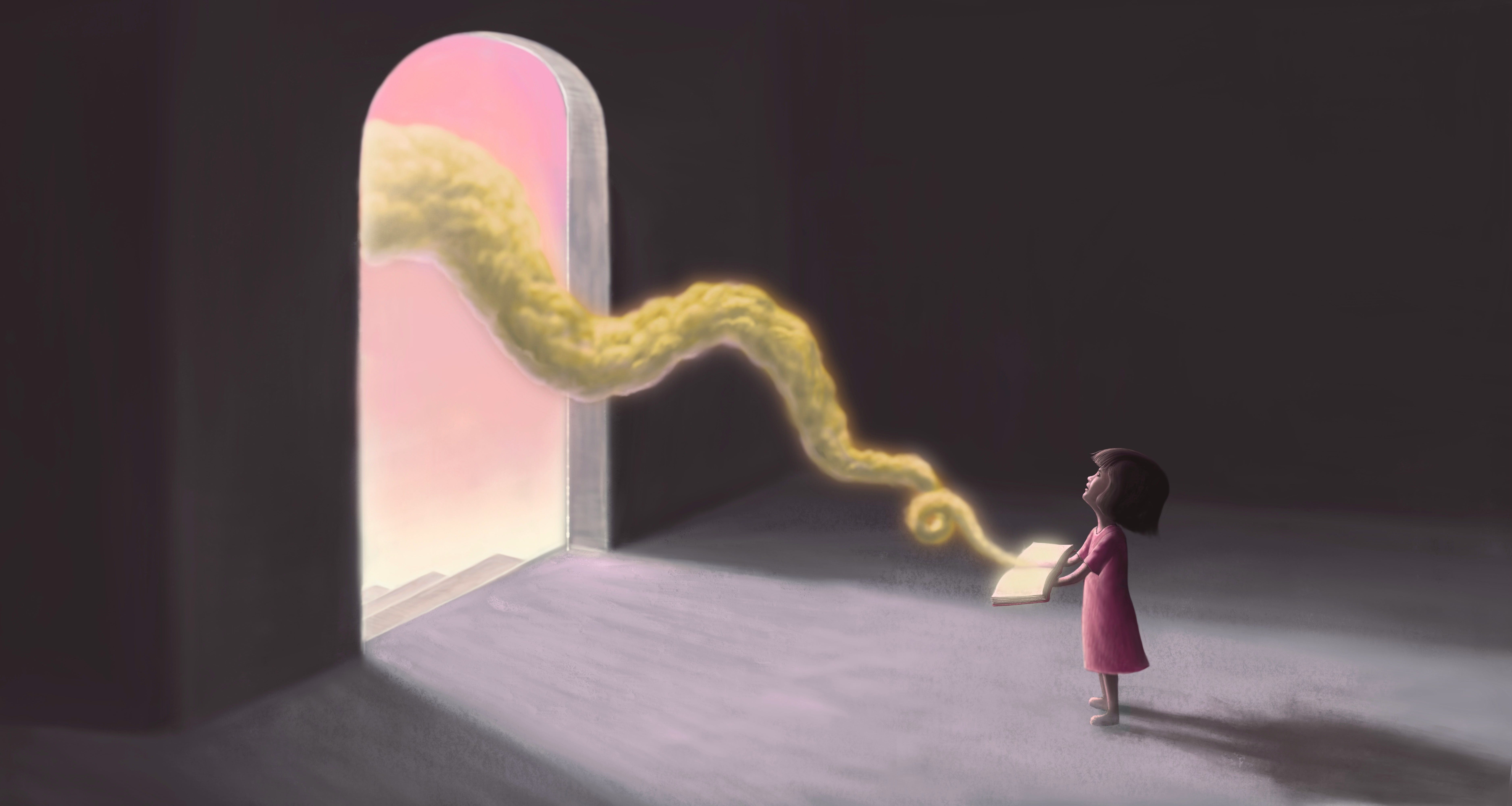
This new identity brings excitement and aliveness, and it also brings fear. Not fear of the work itself, but fear of the discomfort required to stretch tight comfort zones into something that can carry me forward — like breaking in new walking shoes for a longer road ahead.
So this post is a remembering — a return to what I need to know and practice as I open this new door. Perhaps a remembering for you.
Crossing Into a New Chapter: When Intention Meets Exposure
There is a distinct shift that occurs once a new chapter is no longer theoretical. The inner knowing has arrived. The decision has been made — at least quietly, inwardly.
And then comes the moment of execution.
This is where many people feel the most unsteady. Not because the choice was wrong, but because acting on it requires being seen, heard, and felt in new ways.

A new chapter stretches us beyond familiarity. It asks the old self to walk into terrain where fluency has not yet formed. Discomfort here is not a warning sign. It is a developmental signal.
Procrastination and Perfectionism as Threshold Responses
At this stage, fear rarely presents itself plainly. Instead, it often disguises itself as:
procrastination
perfectionism
endless preparation
waiting for confidence before beginning
These aren’t character flaws. They are protective responses to exposure. Perfectionism is an attempt to manage risk by eliminating the potential for error. Procrastination is the nervous system slowing things down until safety feels more certain. It doesn’t mean you lack commitment.
They signal that you are approaching an edge where something really matters — where action will change how you are seen, how you see yourself, or what you can no longer pretend not to want. It is the also precursor of a dream sought and attained.
The work here is not to force yourself forward, but to recognize these patterns as invitations to slow down, steady yourself, and choose movement with care rather than avoidance.
The Illusion of Doing It All Alone
Another common response at this stage is the urge to do everything oneself.
Working alone can feel safer than being witnessed while learning. When no one is watching, there is no risk of being misunderstood, judged, or prematurely assessed. Solitude can offer control, privacy, and the illusion of protection.
But growth in new chapters rarely stabilizes in isolation.
Support does not dilute strength — it contains it.
Not being alone does not mean constant encouragement, oversharing, or immediate mass visibility. It means allowing yourself to be held by scaffolding that matches your nervous system’s readiness.
Not being alone does not mean constant encouragement, oversharing, or immediate mass visibility. It means allowing yourself to be held by scaffolding that matches your nervous system’s readiness.
Scaffolding is not about doing the work for you — it is about not doing it alone.
It can look like:
a trusted friend who knows what you are attempting and can remind you who you are when doubt narrows your vision
a mentor who has walked similar terrain and can normalize the awkward phases of becoming
a coach, therapist, editor, or guide who helps you stay oriented without taking over your agency
This kind of accompaniment does not replace courage; it stabilizes it. It helps regulate the nervous system, hold perspective when self-doubt distorts reality, and mirror progress you may not yet be able to see. With this kind of support in place, growth becomes steadier — and visibility less overwhelming.
Scaffolding often begins with baby steps — ways of being seen that feel relational rather than performative.
For example, it can look like, in my case, as an example:
sharing my work personally, one conversation at a time, rather than broadcasting it widely before you feel grounded
hosting small gatherings — salons, dinners, circles — where the book can be introduced in an intimate setting
saying yes to conversations and interviews with friendly podcasters who are genuinely curious and supportive
suggesting the book to known book clubs or trusted reading groups where dialogue, not judgment, is the focus.
As confidence grows, scaffolding can widen:
asking a small circle of people to offer early online reviews and to recommend the book in their own words on their platforms
practicing visibility through short audio or video recordings, allowing my voice and presence to become familiar to me first
experimenting with simple webinars, conversations, or courses — not to perfect them, but to practice being seen while teaching
Scaffolding is not about rushing toward scale.

It is about building capacity gradually, so visibility becomes sustainable rather than overwhelming.
Witnesses help you stay oriented when self-doubt narrows your vision.
Structure gives the emerging identity somewhere to land. With the right scaffolding, effort becomes steady, confidence grows organically, and expansion no longer feels like collapse.
Fear as Valid Energy, Not Obstruction
Fearful thoughts don’t need to be dismissed or overridden. They are signals of energy mobilizing around expansion. Fear says:
this matters
this stretches me
this asks more of me than before

When fear is acknowledged rather than suppressed, it can be redirected. Anxiety can become alertness — a sharpening of attention. Nervousness can become aliveness — a reminder that you are stepping into something meaningful. Dread can become determination — the fuel to prepare, to practice, and to stay engaged.
Fear does not disappear. It reorganizes itself and takes on courage as its partner — when it is met with presence rather than resistance.
Everything New Is Uncomfortable — Until It Isn’t
One of the simplest truths of growth is also the most resisted:
Everything new is uncomfortable — until it becomes familiar.
Discomfort does not indicate misalignment. It indicates learning. The body is adjusting to new demands. The mind is recalibrating expectations. The identity is forming new reference points. We forget this because mastery conceals its origins. We see fluency and forget the early instability that preceded it — the hesitation, the missteps, the uncertainty.

Every form of mastery begins in not knowing, and passes through discomfort before it reaches ease.
Conscious Effort and the Practice of Becoming
New chapters do not unfold through ease alone. They require conscious effort — not force, but practice. Practice is showing up again after the first attempt felt awkward. It is speaking even when your voice shakes, writing even when the words feel unfinished, and sharing even when certainty has not arrived.
Practice is repetition with grace and kindness.
It is engagement without demanding immediate excellence. Practice is how trust moves from an idea into lived experience — through small, repeated acts that teach the nervous system: I can do this. I can stay present here.

Learning to Enjoy the Awkward Start
There is wisdom in watching a child learn to walk. No one expects grace on the first steps. Falling is not interpreted as failure.
The joy is in the attempt.
New chapters ask us to reclaim this orientation. Awkwardness is not something to endure — it is something to allow.
Mastery Begins at Zero
Mastery does not mean starting ahead. It often means beginning from nowhere. From the beginning again, with humility and willingness.
And then:
exercising unfamiliar muscles
tolerating initial ache of effort
allowing strength to build gradually
Muscles grow stronger because they are stressed, rested, and used again.
So do identities.
What aches at first is not weakness. It is capacity under construction.

A New Orientation
A new chapter isn’t a performance. It’s a practice.
You’re not behind if it feels awkward.
You’re not failing if it feels slow.
You’re not weak if it feels uncomfortable.
You are building strength where none existed before.
Radiance here is not ease.
It is devotion to becoming, even when the muscles ache — and especially when they do.
A Simple Ritual for the Awkward Adventure
Before we move on from this threshold, pause.

This is not a ritual of completion, but of honoring the courage to begin.
Name the chapter aloud.
Give this season a working name — not a final title, just something that acknowledges the adventure you are in.Acknowledge the discomfort.
Place a hand on your body and say: Of course this feels awkward. I am learning something new.Mark one brave step.
Write down one action you have already taken — no matter how small — that represents stepping forward.Celebrate effort, not outcome.
Choose a simple gesture of celebration: a walk, a candle, a glass raised, a moment of gratitude.Offer yourself this affirmation:
I am allowed to be new at this. I am allowed to grow in public. I trust myself to learn as I go.
Let this ritual be brief, embodied, and kind. The adventure does not require perfection. It only asks for your presence.
(As for my book, I’ll share and celebrate that with you soon!)
Let’s show up for the next chapter and begin….
Love, Angelique
For more about the Emergence Codes and the Radiance Codes, I welcome you to explore prior posts. Thank you for visiting!